Does Homeowners Insurance Cover Flood Damage in Central Louisiana?
January 9, 2026 | Simmons Builders | Alexandria, LA USA
If you live in Alexandria or anywhere in Central Louisiana, you already know how fast weather can change. One day it is calm and humid, and the next day a heavy downpour is pounding the roof and the gutters cannot keep up. When water shows up where it does not belong, your first thought is usually simple: Is this covered? That question matters because the wrong assumption can cost you thousands. It also matters because the word "flood" means something very specific in insurance, even when it feels like the same mess on your floors.
Simmons Builders talks with homeowners every week who are surprised by how insurance draws the line. They thought "flood" was just a casual word for water in the house. Insurance often treats flood damage as rising water from outside, and that is handled differently than a broken pipe or an appliance leak. In Rapides Parish and across the region where flood zones exist near waterways and low areas, this confusion is common. This guide is here to make it clear, in plain language, so you can make the next step with confidence.
Quick Answer: Does Homeowners Insurance Cover Flood Damage in Central Louisiana?
Homeowners insurance typically does not cover flood damage when the water rises from outside and enters your home.
Most standard policies exclude flood damage, and flood insurance is usually a separate policy, often connected to the National Flood Insurance Program (NFIP) or a private flood policy. FEMA explains that most homeowners insurance does not cover flood damage and that flood insurance is separate coverage. This is true even if the flood came from heavy rain, river overflow, or rapid runoff. In insurance terms, it is still considered a flood if water rises from the ground and comes in through doors, walls, or the foundation.
However, coverage is more likely for internal failures. Homeowners insurance is more likely to cover water damage that starts inside the home, like a burst pipe, a failed water heater, or a supply line leak.
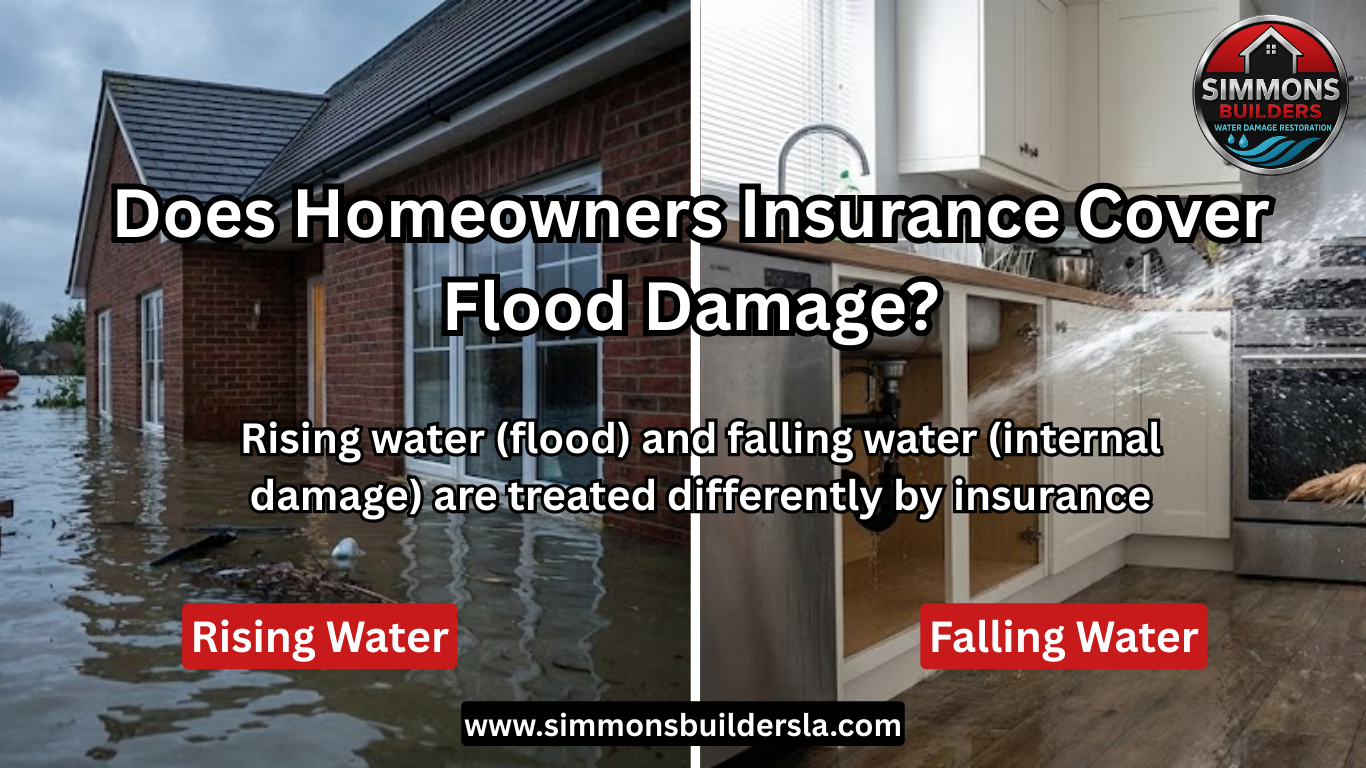
- Inside-Out: If water comes from inside and moves outward, many policies treat it as a covered water damage event if it is sudden and accidental.
- Outside-In: If water comes from outside and moves inward, many policies treat it as flood damage.
A Central Louisiana Story of Rising Water and Falling Water
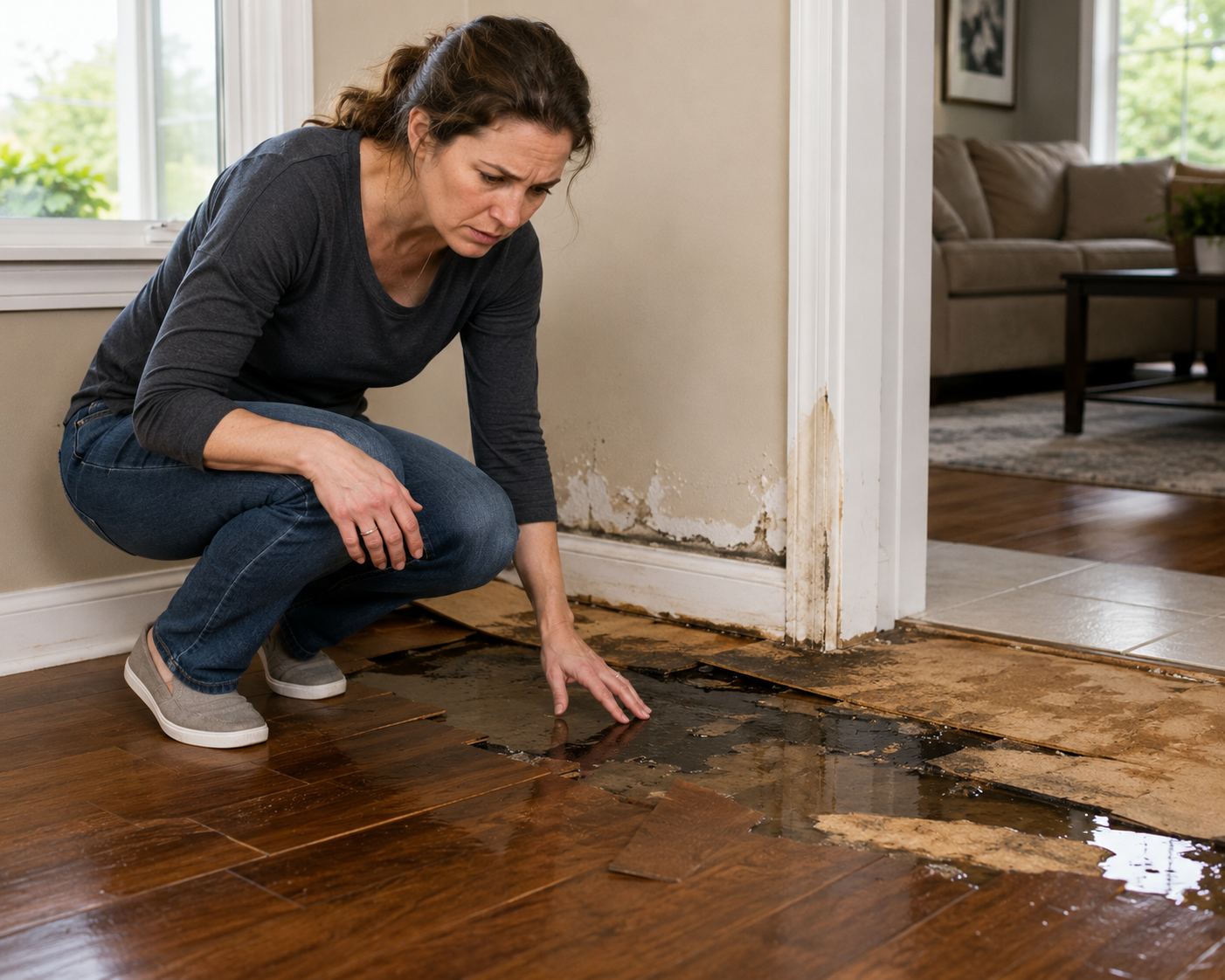
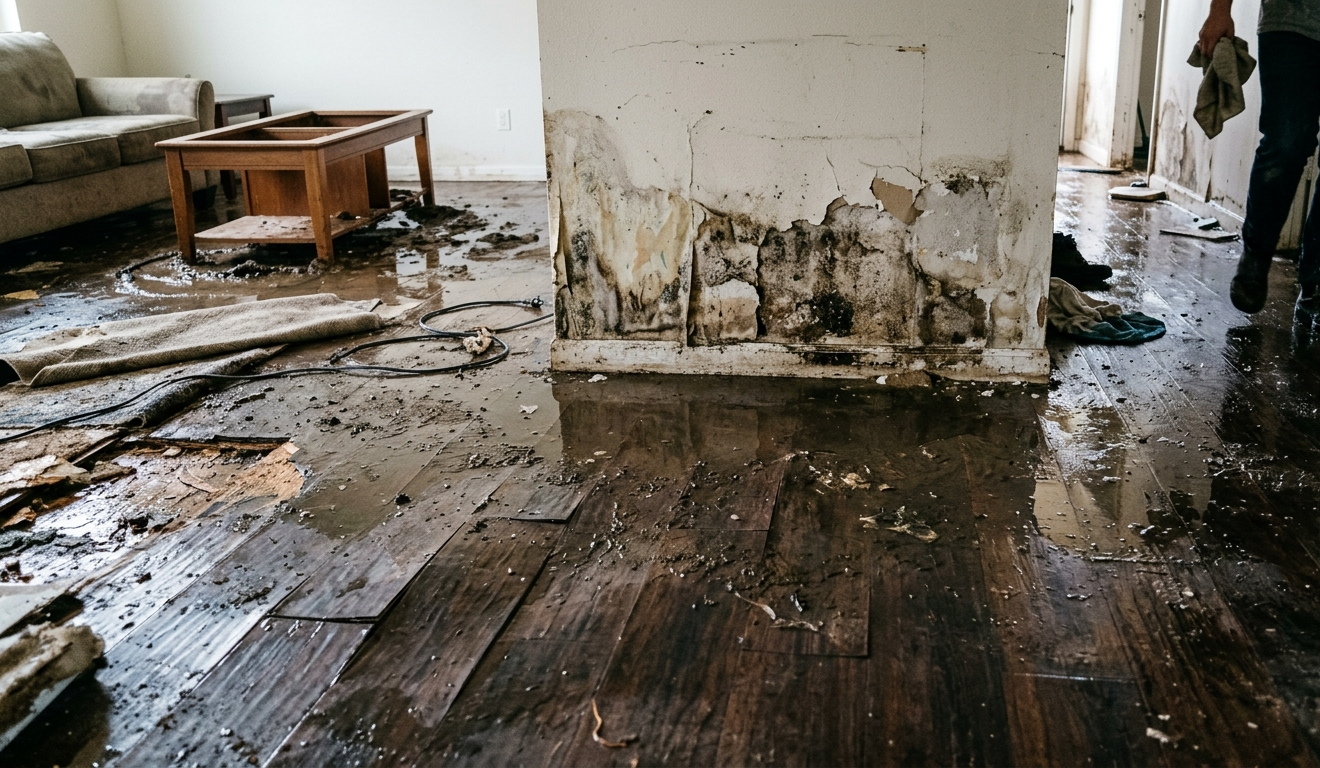
Imagine two homes on the same street in Alexandria. In the first home, a strong storm dumps rain for hours, and water starts pooling in the yard. The ditch fills, the street drains struggle, and the water slowly creeps toward the slab. The homeowner sees water push in under the door and soak the living room. That feels like "water damage" because it is water in the house, but insurance usually treats that as flood damage because it is rising water coming from outside. FEMA and FloodSmart both describe flood as a separate risk that typically requires flood insurance, not standard homeowners coverage.
In the second home, the storm is not the main problem at all. A washing machine hose cracks while the family is asleep. Water spreads across the laundry room, seeps into the hallway, and soaks the baseboards. That is still a disaster, but it is a different type. It is "falling water" in the sense that it started from a household system and spread through the home. Many homeowners policies cover this kind of sudden, accidental water damage, especially when the homeowner took reasonable steps to maintain the home.
Water Damage in Alexandria: What the Words Mean
In our area, most of the confusion starts with one simple sentence: "My house flooded." People say that because it feels true, and it is how humans talk. However, when describing water damage Alexandria homeowners need to be careful with their terms. Insurance does not always use words the same way we do. In insurance terms, flood often means water that accumulates outside and rises into the structure. A federal summary of NFIP coverage describes flood as a general and temporary condition of water covering land that is normally dry, including runoff and overflow. That definition is why a heavy rain event that sends water into your home from outside is often treated as flood damage.
Water damage, on the other hand, is usually tied to water that escapes from a plumbing system, appliance, or another internal source. Think supply lines, water heaters, toilets, or a broken pipe in the wall. Even then, policies can still deny claims when damage is from long-term leaks or neglect. That is why documentation matters, and why speed matters. The faster you stop the water and document the source, the easier it is to explain what happened. When Simmons Builders helps with insurance assistance, a big part of it is making sure the situation is clearly documented so the story does not get twisted later.
Water Damage Restoration Alexandria & Cenla
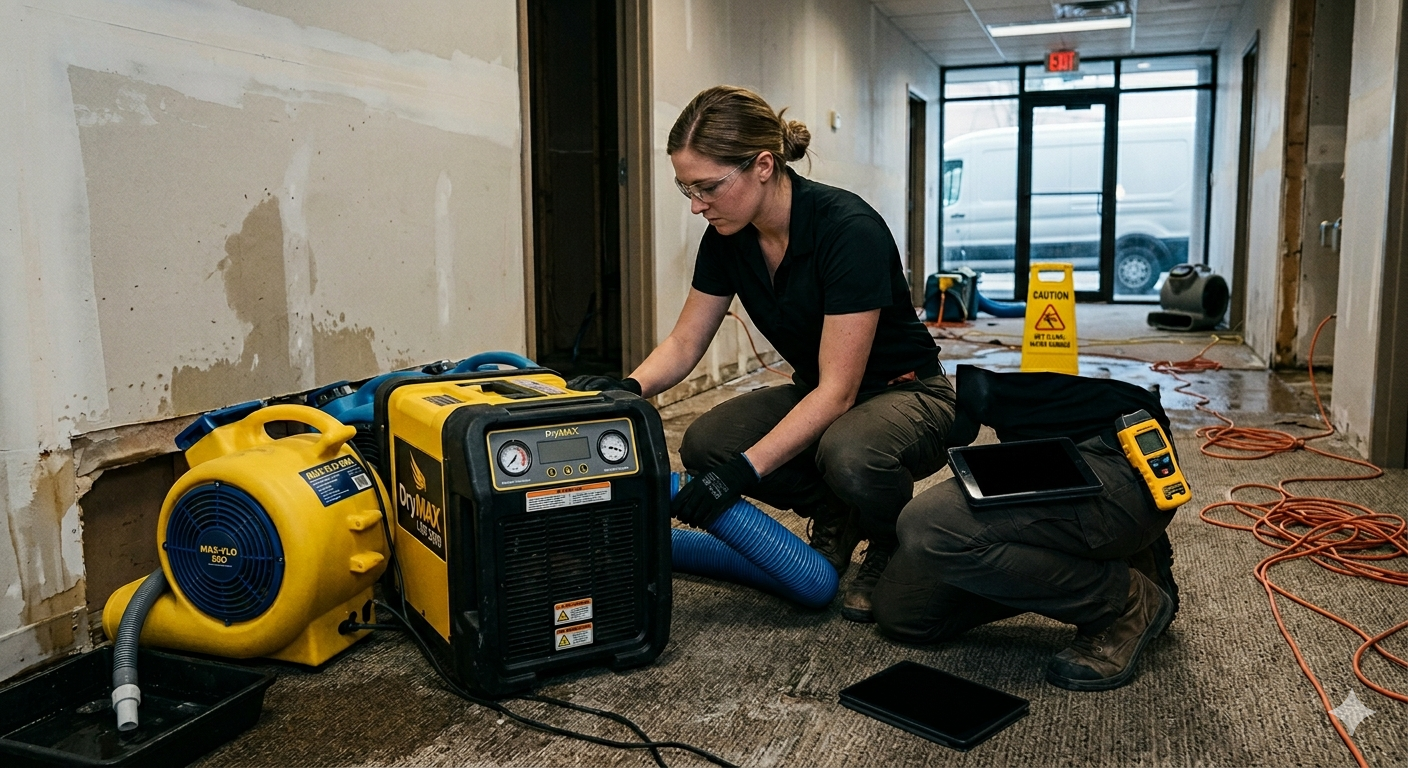
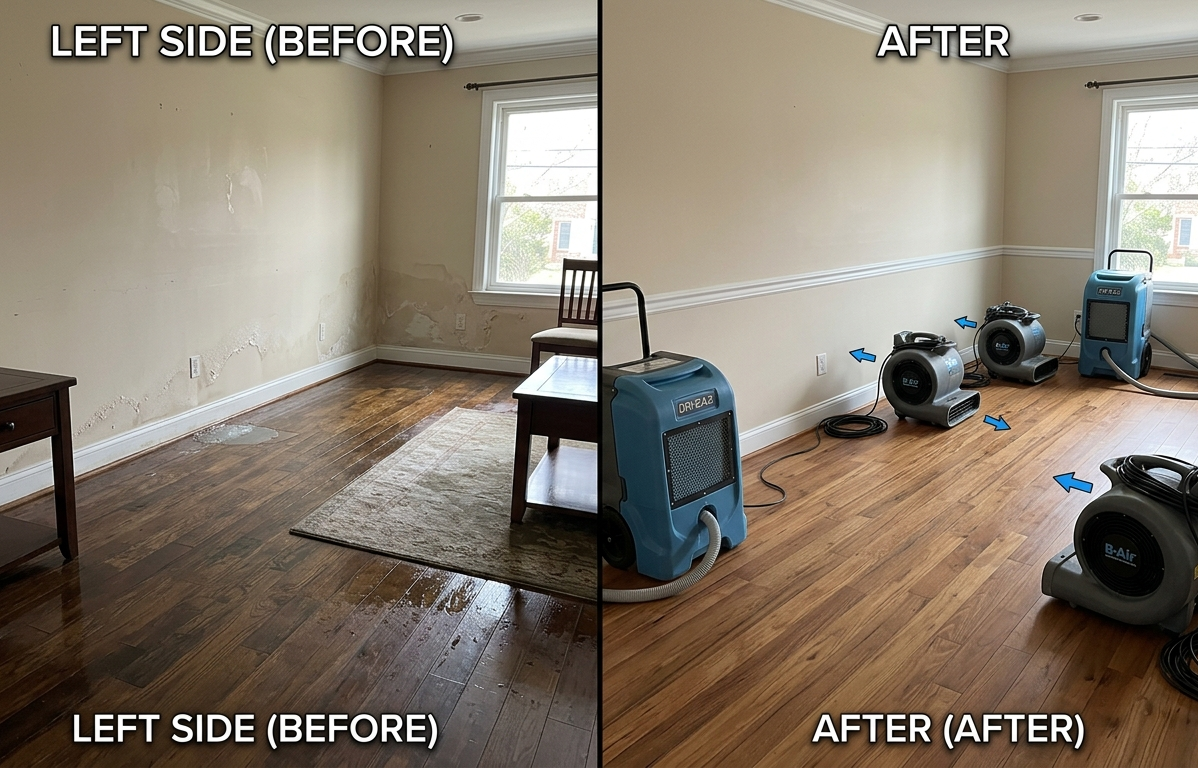
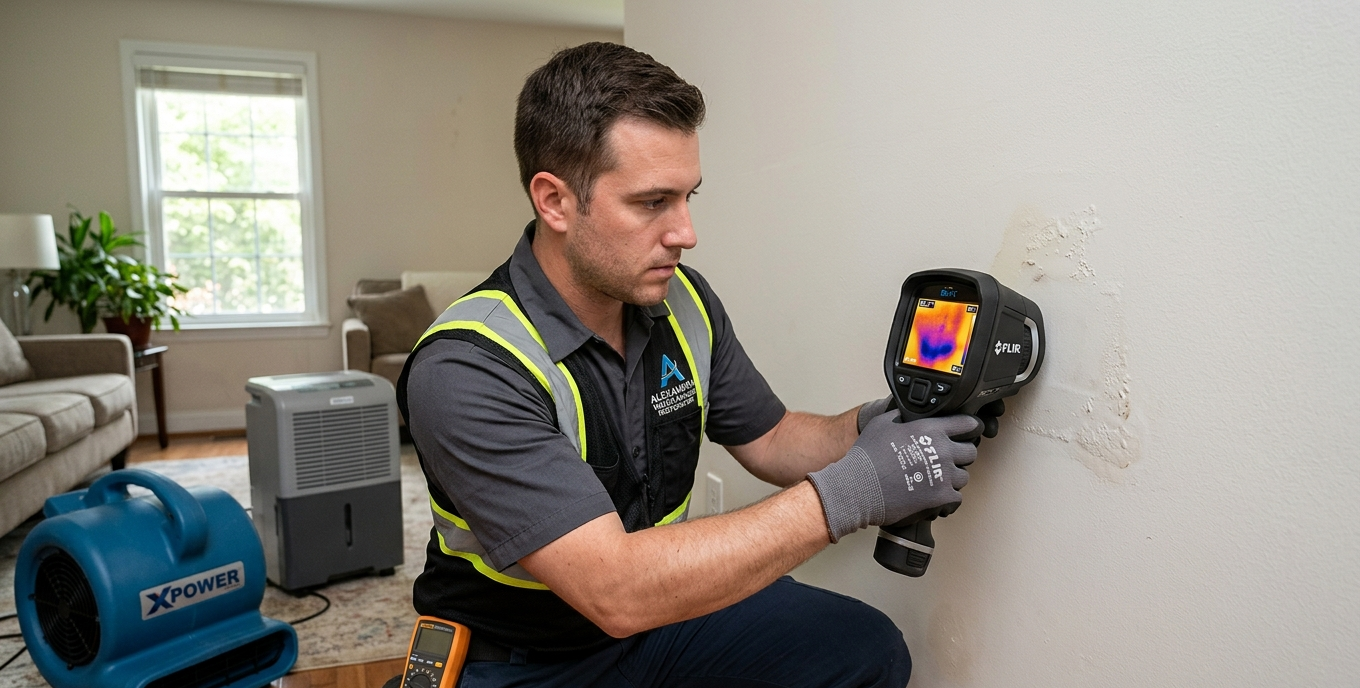
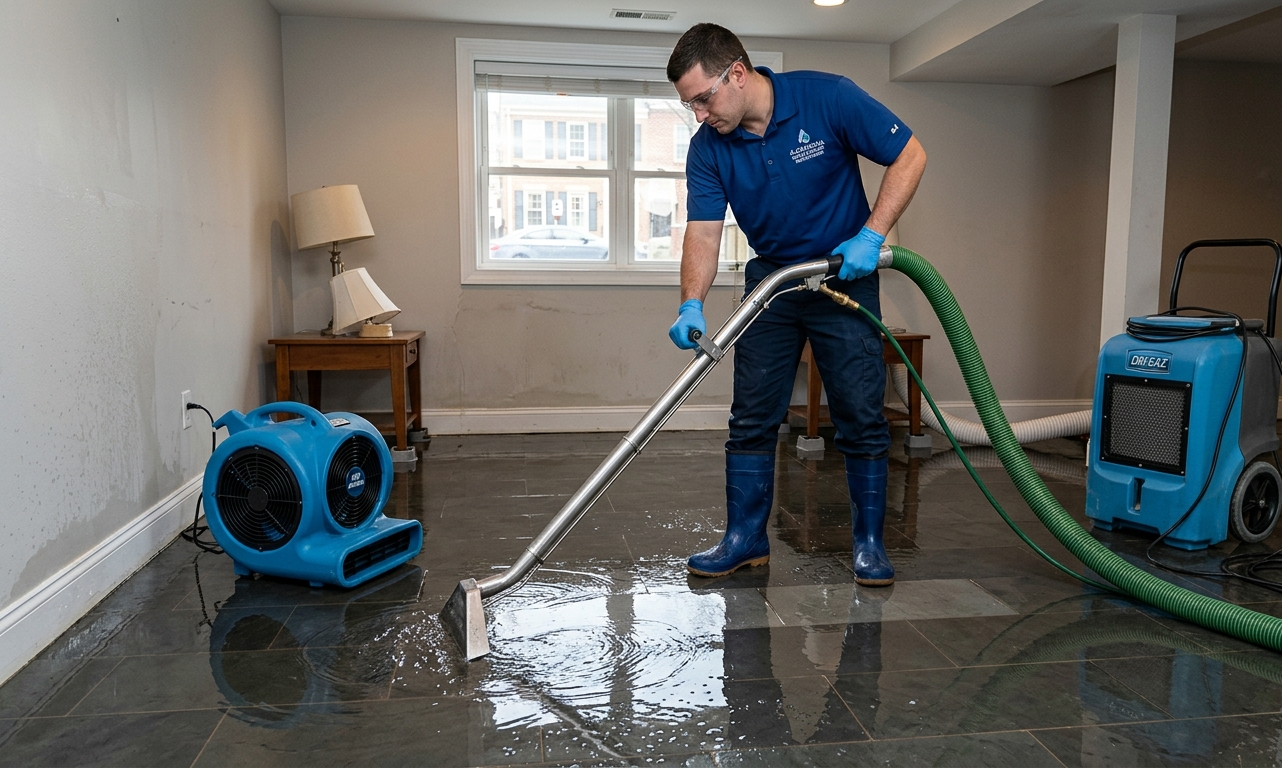
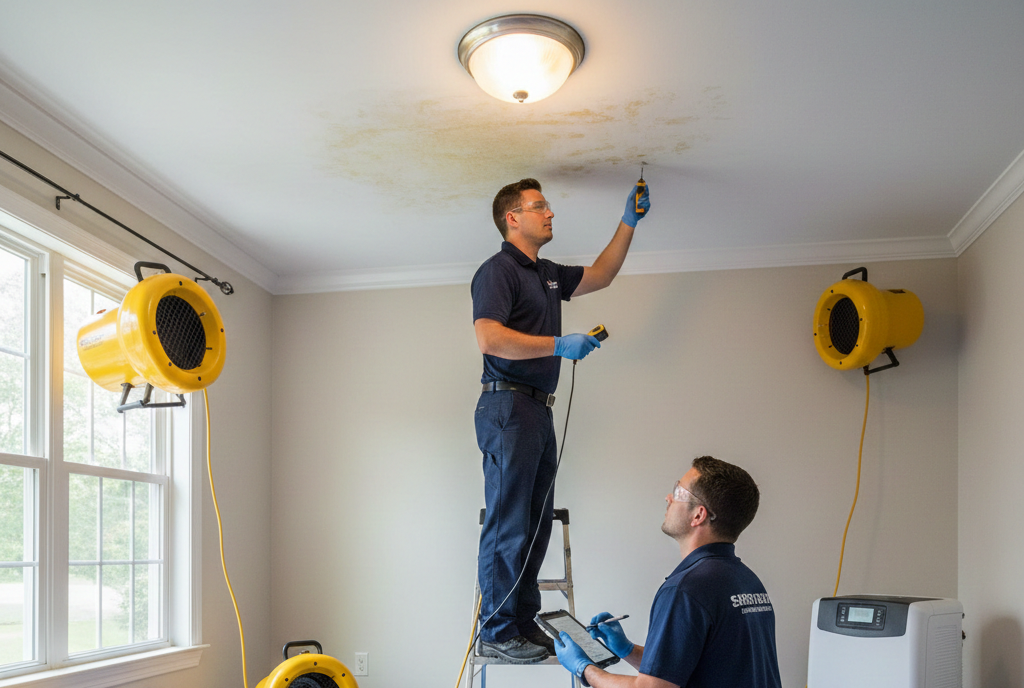
When a claim is involved, expert water damage restoration Alexandria residents trust is not just about cleanup. It is a process that creates proof. That proof can include moisture mapping, photos, equipment logs, and drying records that show what was wet and how it was handled. Insurance adjusters often want to see that the work was necessary, and that it followed a reasonable plan. A professional restoration team can also help you avoid doing something that accidentally makes the damage look worse or changes the story. That matters more than most homeowners realize.
This is also where the "Builder-First" approach helps. Many companies dry and leave, and then you are stuck hunting for repairs while you wait. Simmons Builders can handle the drying and the rebuild, which keeps the project moving and keeps the documentation consistent. Consistent documentation is helpful because it ties the mitigation phase to the repairs. It also reduces the chance that you get caught between two contractors blaming each other. When you are stressed, simple continuity is a big deal.
How to Tell if it is Flood Damage or Water Damage
Start with one question and do not overthink it: Where did the water begin?
- If the water began outside the home and entered through doors, walls, vents, or the foundation, insurers often call that flood damage.
- If the water began inside the home from a pipe, appliance, or plumbing fixture, insurers often call that water damage.
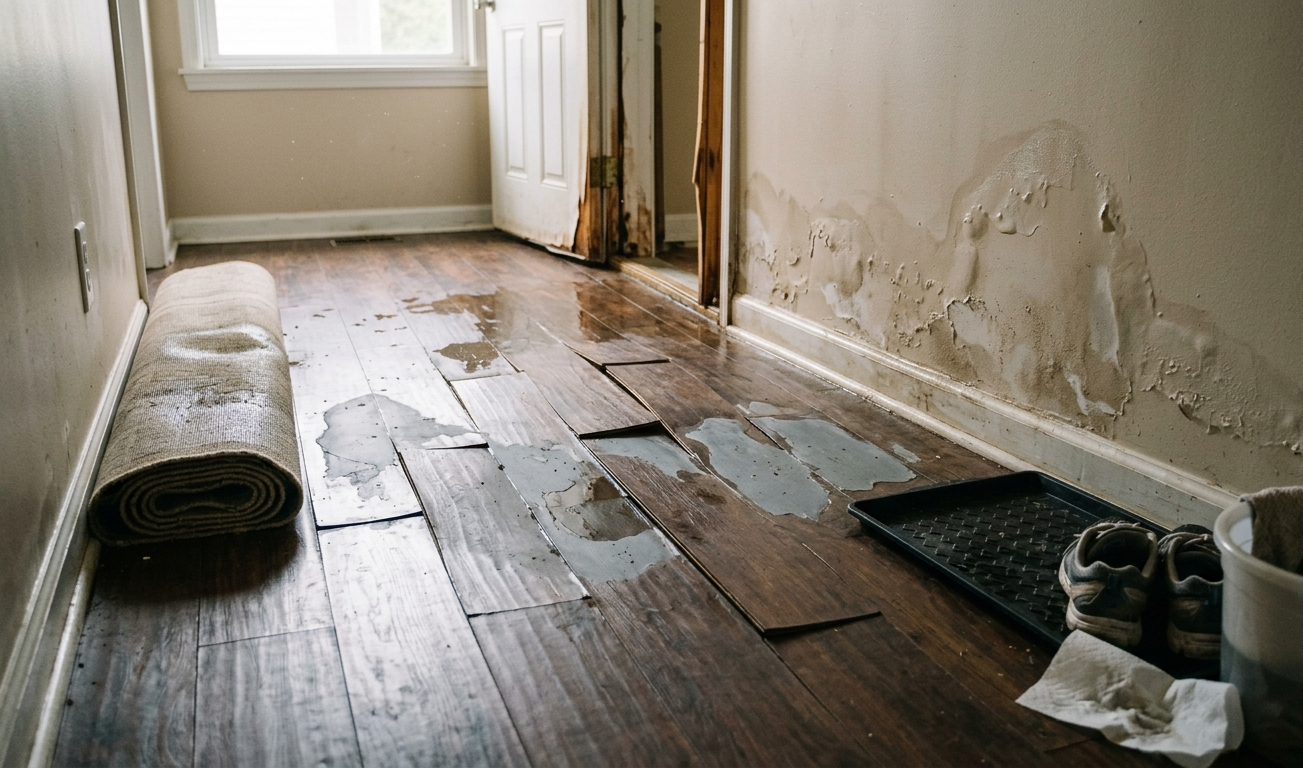
If you are not sure, look for the direction of travel. Rising water often leaves a visible line on walls and furniture legs, and it often affects multiple rooms near entry points.
Now add a second question: Did the water touch the ground outside before it entered? If yes, that points toward flood classification in many cases. If no, and the source is clearly a plumbing failure, that points toward homeowners coverage in many cases.
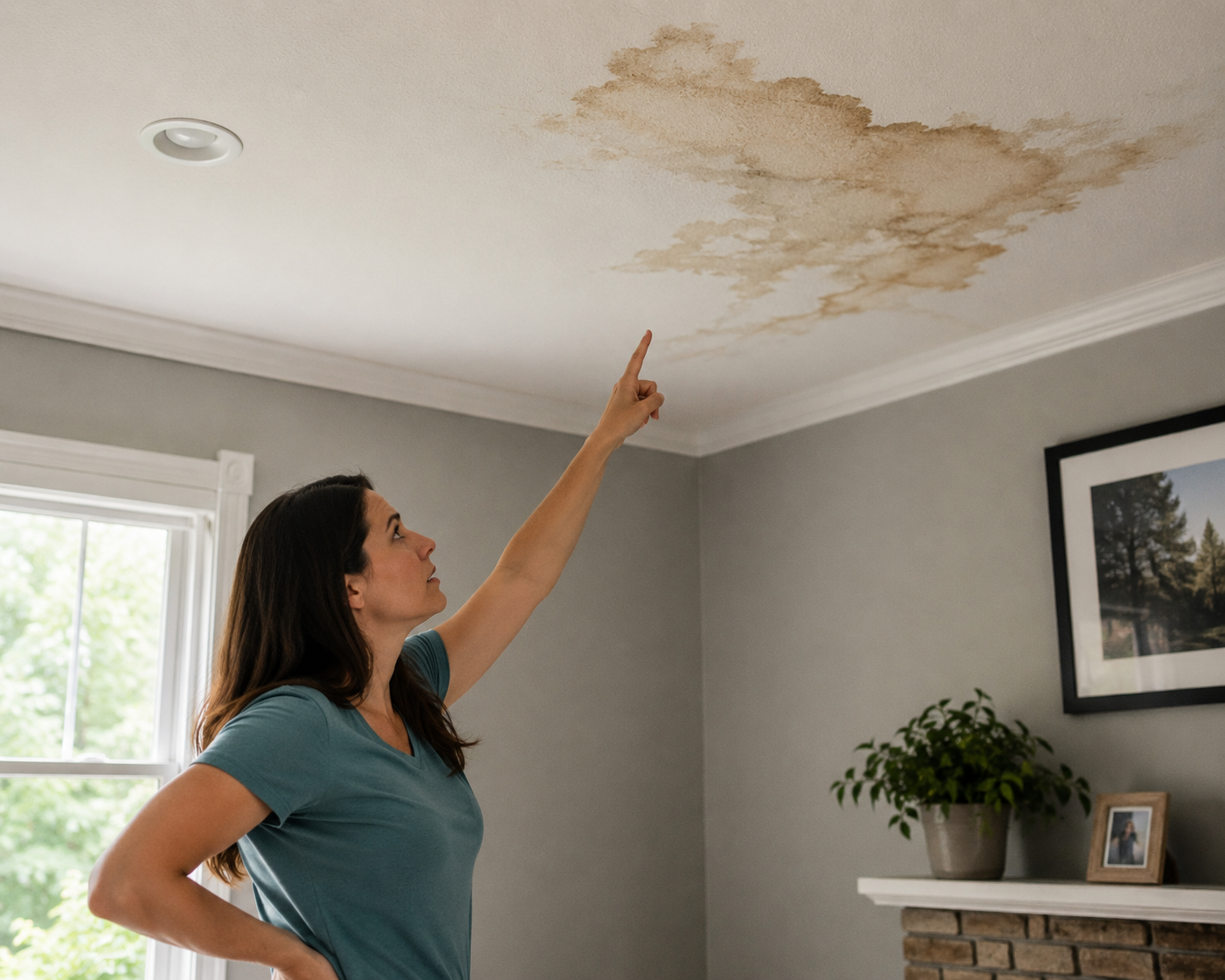
There is also a tricky middle zone that happens in storms. Wind can damage a roof, then rain enters through the opening and ruins ceilings and walls. Many homeowners policies may cover "wind-driven rain" when it enters due to a covered opening, but each policy is different. Do not assume, and do not guess in your claim description. A safer approach is to describe what you observed in plain facts. You can say, "Wind damaged the roof, rain entered through the damaged area, and water affected the interior." Then let the carrier classify it based on the policy language.
Rapides Parish Flood Zones and Why They Matter
Flood zones are not just lines on a map. They affect whether a lender requires flood insurance, and they influence how risk is priced. In Rapides Parish and surrounding areas, flood risk can vary a lot depending on elevation, drainage, and proximity to waterways and low areas. If you want an official view, FEMA’s Flood Map Service Center is the public source for flood hazard maps and flood risk data. You can search by address and see what flood zone your property falls into. That information can help you decide if flood insurance is worth it even if it is not required.
Louisiana also has local tools that help residents understand flood maps and base flood elevation data. The LSU AgCenter Louisiana Floodmaps portal provides a flood map interface tied to Louisiana data and FEMA mapping concepts. If you live in Central Louisiana and have never checked your zone, it is worth doing on a calm day, not after a storm. A few minutes of planning can prevent a painful surprise later.
What to Do in the First 24 Hours to Protect Your Claim
Safety First: Focus on safety and stop the spread. If there is standing water near outlets or appliances, shut off power to affected areas if it is safe to do so. If the water source is a broken supply line, shut off the main water valve.
1) Document Immediately: Take clear photos and short videos before you move items, and keep your camera steady. Capture the source if you can, like the failed hose or the broken pipe area. This early documentation helps show that the loss was sudden and not a slow leak.
2) Notify Insurance: Notify your insurance company as soon as you can and ask what coverage applies.
- If it is a flood event, ask specifically if you have flood coverage.
- If it is water damage from inside the home, ask what they need for documentation and whether they require preferred vendors.
- Tip: Write down the claim number, the name of the person you spoke with, and the time of the call.
3) Call for Stabilization: Call a professional restoration company to document and stabilize the loss. You do not need to decide the entire rebuild on day one, but you do need to stop materials from absorbing more moisture. The earlier extraction and controlled drying begins, the more you can save.
Frequently Asked Questions about Flood Insurance in Central Louisiana
Many homeowners in our region have the same questions, especially after a storm season or a heavy rain event. It is normal to feel unsure because insurance language feels cold and technical.
Does homeowners insurance cover rain damage?
It depends on how the rain got inside, and that detail matters a lot. If rain enters because wind damaged the roof or siding, many homeowners policies may cover the resulting interior damage, since the entry was caused by a covered peril like wind. If rain enters because water pooled outside and rose into the home through doors or the foundation, insurance often treats it as flood damage. The safest approach is to describe exactly what you saw using simple facts (e.g., "I saw roof damage where water entered").
If I do not have flood insurance, what happens after a flood?
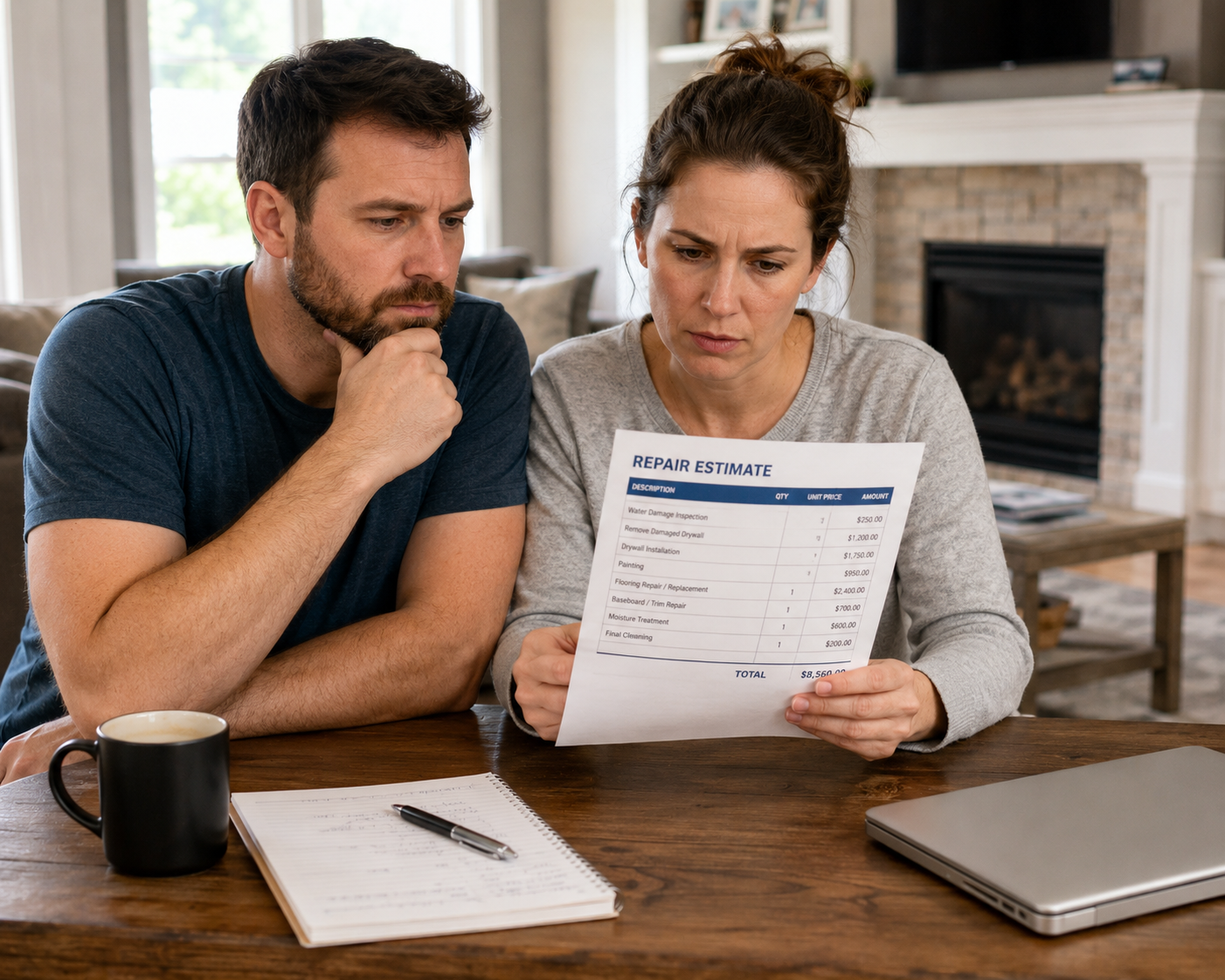
If you do not have flood insurance, homeowners insurance usually will not pay for flood damage. This means you should prepare for more out-of-pocket costs. Some homeowners may qualify for disaster assistance if a federal disaster is declared, but assistance is not the same as insurance and typically provides much less funding. Even without coverage, you should still respond quickly to prevent mold, which will only increase your repair costs. If you are concerned about the financial impact, our guide to water damage restoration costs in Louisiana breaks down what you can expect to pay so you can build a realistic budget.
How do I know my flood zone in Alexandria or Pineville?
You can look up your flood zone using FEMA’s Flood Map Service Center, which lets you search by address. This tool shows flood hazard mapping products and can help you understand whether your property falls in a "Special Flood Hazard Area." Knowing your zone is a planning tool, and planning lowers panic later.
Is water from a busted pipe considered flood damage?
Water from a busted pipe is usually considered water damage, not flood damage, because the source is inside the home. Many homeowners policies often cover sudden, accidental water damage from plumbing failures, especially when the homeowner took reasonable steps to maintain the home. However, coverage can be limited if the leak was slow and ignored over time (neglect).
Should I call a restoration company before I call insurance?
In most cases, you can do both quickly. Calling insurance early helps start the claim process, but calling a restoration company early helps stop the damage from growing. A restoration company cannot decide your coverage, but they can help you respond correctly, map the moisture, and reduce mistakes in your initial report.
If you are dealing with water in your home right now, you do not have to figure it out alone. Simmons Builders can assess whether you are facing water damage from an internal source or flood-style rising water from outside. We serve homeowners across Alexandria and Central Louisiana, helping you document the loss, map moisture, and understand what the next phase looks like, including drying, cleaning, and repairs.
We know that homeowners feel anxious about insurance, and we can help you stay organized with photos, notes, and a clear plan. If you need help, contact us today. We will talk through what happened and help you avoid costly mistakes. Either way, you will feel more in control by the end of the call.
About Simmons Builders
Simmons Builders is Central Louisiana’s one stop shop for water damage, handling everything from emergency cleanup and drying to full reconstruction. From the first call to the final repair, Daniel and his team keep the process clear, fast, and done right.
Contact:
Simmons Builders
1219-A East Texas Avenue, Alexandria, LA 71301, USA
Daniel Simmons
Have an Emergency?
Local team • 24/7 response • IICRC certified • Veteran Owned • We Work With Your Insurance
From plumbing leaks and appliance overflows to storm and flood damage, Simmons Builders has Alexandria covered. Give us a call at 318-714-4774 or fill out the form below and our team will get back to your ASAP!
Request A Free Quote
Ready to Get Your Home Back to Normal?
If you are dealing with water damage or a sewage backup, our team is ready to help you take control fast. Reach out to Simmons Builders for clear guidance, professional cleanup and drying, and a smooth path into repairs and full reconstruction so you are not stuck juggling multiple contractors.
Follow Us
Got Water Damage? Call Now!