How Long Does It Take to Dry a House in Louisiana Humidity?
January 15, 2026 | Simmons Builders | Alexandria, LA | USA

When a house gets wet in Louisiana, the water is only half the problem. The other half is the air. In Cenla, the air can feel heavy even on a normal day, and that changes how fast a home can dry after a leak or flood. Homeowners usually start with the same two thoughts. They want to know what insurance will say, and they want to know the price tag, a topic we cover in detail in our guide on how much water damage restoration costs in Louisiana. Right after that comes the next big question: How long is my house going to feel like a construction zone?
That question is more than curiosity. It affects where you sleep, when you can cook, and whether your kids can use the hallway without stepping over hoses. It also affects how much damage becomes permanent, because time is what turns damp drywall into crumbling drywall. In Alexandria, we see it after busted supply lines, slab leaks, storm water intrusion, and appliance failures. The drying plan that works in a drier state can fail here, simply because the outdoor air is already loaded with moisture. That is why the science behind drying matters, even if you never wanted to hear the word "psychrometry" in your life.
Quick Answer: How Long Does It Take to Dry a House in Louisiana Humidity?
In Louisiana humidity, drying a house after water damage often takes about three to five days for a smaller clean water loss that is caught early.
However, it can take seven days or longer when water has soaked drywall, insulation, subfloors, or cabinetry. Bigger losses, contaminated water, or long delays before cleanup can stretch drying into multiple weeks, especially if materials must be removed and rebuilt.
The key is that drying time is not guessed by touch or smell. It is confirmed through moisture readings and controlled indoor conditions. Professional restorers follow a structured process for Alexandria water damage restoration that includes assessment, drying, and monitoring, because materials can hold hidden moisture long after surfaces feel dry.
In Cenla,
closed drying systems are often used to control indoor humidity and protect the drying environment from changing outdoor conditions. This helps drying stay on track even when the weather is sticky outside.
A Cenla Reality Check: Why Drying Feels Different Here
In Alexandria, it is common for a homeowner to say, "I turned on the air conditioner, so it should dry fast." That makes sense at first. You feel cool air, so it feels like the house is drying. But cool air is not always dry enough air, and that is where people get surprised. Two homes can have the same puddle, and one dries in days while the other drags out, simply because the second home has moisture trapped in wall cavities or under flooring. Humidity does not just slow drying; it hides drying problems until they become expensive.
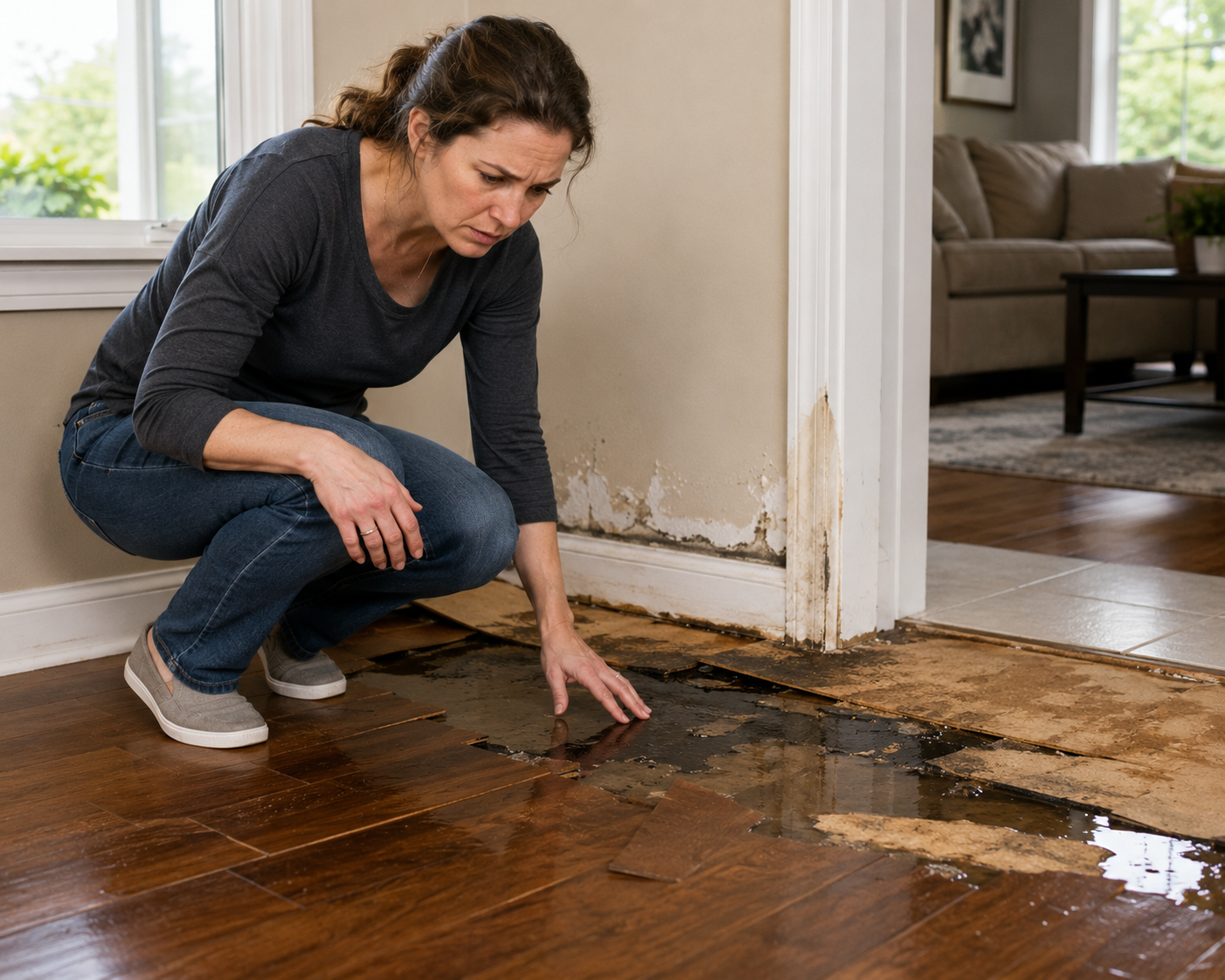
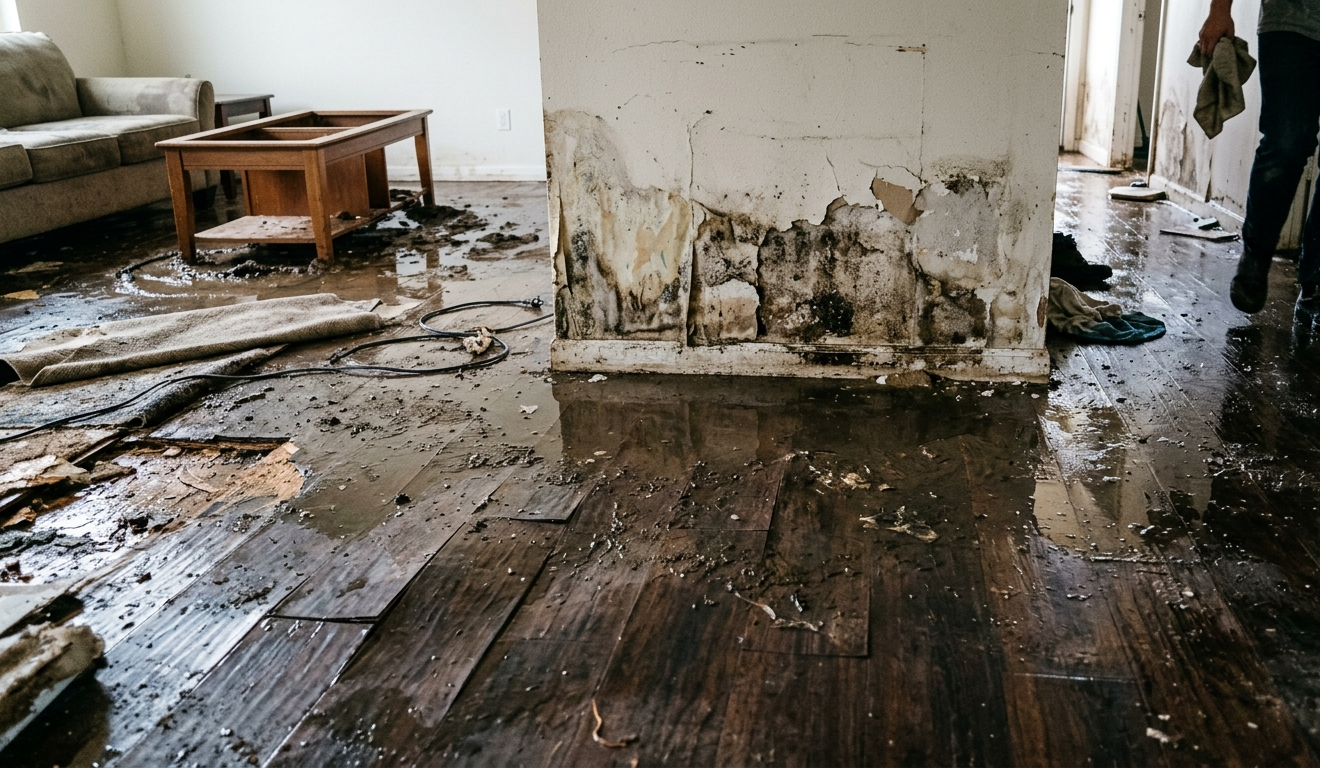
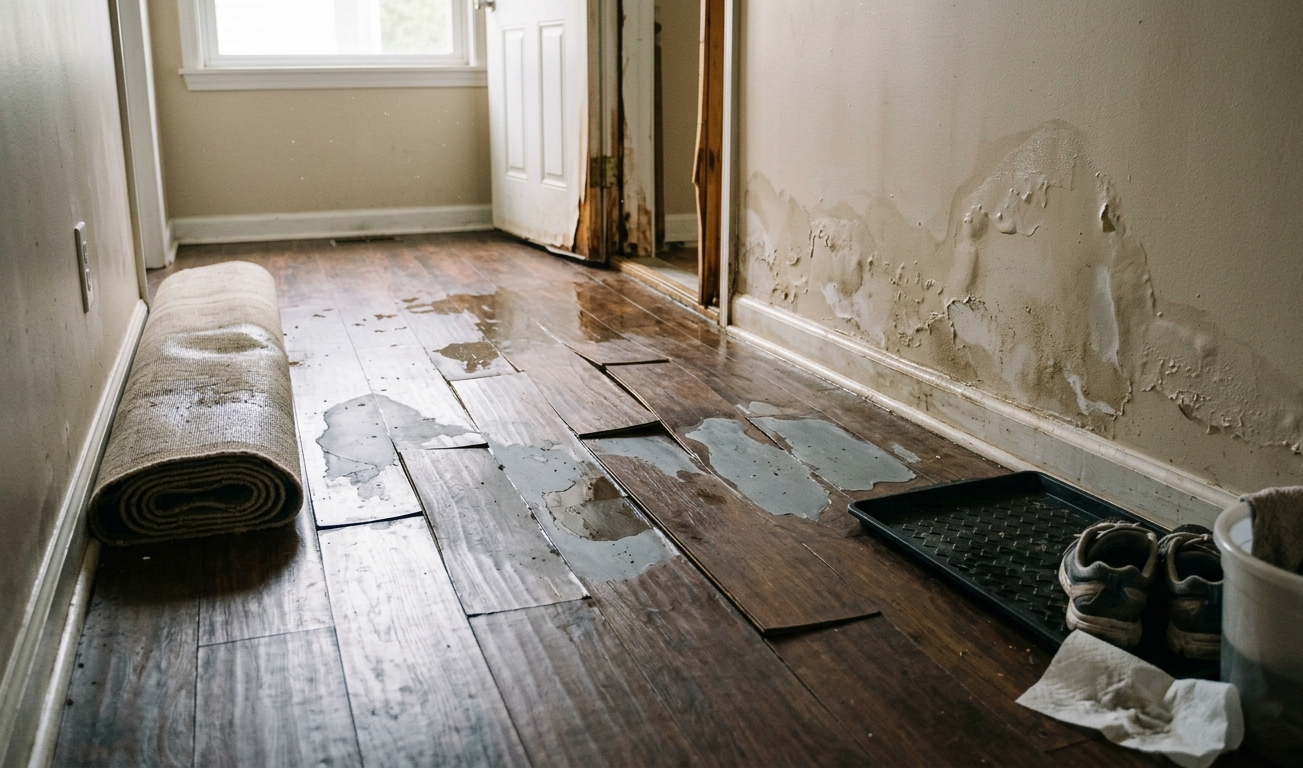
Here is a real-world example we see in Cenla homes. A supply line leak runs across a hallway and slips under baseboards. The surface gets dried quickly, but moisture wicks up inside the drywall like a paper towel. Meanwhile, the outdoor air is humid, so opening windows brings in more moisture instead of removing it. Without a controlled plan, the home keeps trying to dry while the air keeps re-wetting it. That is why the right approach in Louisiana often looks different than what a neighbor in a drier climate might suggest. The goal is not to chase water... the goal is to control the air so the water has somewhere to go.
What "Drying" Really Means in Alexandria Water Damage Restoration
Drying is not just removing visible water, and it is not just making the house feel comfortable again. Drying means getting moisture back down to a safe level inside the building materials, not only on the surface. That includes framing, drywall, subfloors, and any materials that absorbed water. The reason professionals talk about standards is because a wet structure can cause secondary damage if it is not dried correctly. The IICRC Standards describe procedures and precautions for this type of work to ensure safe results. That standard exists because wet buildings behave in predictable ways, and predictable problems need a consistent process.
This is where psychrometry shows up, even if the word sounds like a science fair project. Psychrometry is the study of air and moisture, and it helps restorers control temperature, humidity, and airflow so water can evaporate out of materials. In simple terms, materials dry faster when the air around them is dry enough to accept moisture. That is why a good plan for Alexandria water damage restoration includes measuring the environment, not guessing. When you see a team measuring and tracking, you are seeing the real work.
Why Louisiana Humidity Changes the Drying Math
If you have ever stepped outside in Alexandria and felt like the air hugged you, you already understand the problem. Air can only hold so much moisture, and when it is already holding a lot, it cannot pull much more from your wet walls and floors. That is why humid climates tend to require stronger and smarter dehumidification. Climate data for Alexandria shows high humidity levels through much of the year, which supports why drying here often needs more control than a dry climate would. When outdoor humidity is high, relying on outdoor air as part of drying can slow the entire job.
Psychrometrics explains this with a simple idea: Moisture moves from wet materials into air when the air has room for it. If the air is already close to full (high humidity), evaporation slows down. In a Louisiana home, you can make the air colder and still have too much moisture in it. That is why dehumidification is not optional here. It is the engine that makes drying possible.
Closed Drying Systems: Why Cenla Homes Often Need Them
A closed drying system is a way of drying that protects the indoor environment from the outside environment. Instead of bringing in outside air and hoping it helps, the affected area is isolated so equipment can control humidity and temperature inside the space. The EPA's Guide to Mold Remediation emphasizes the importance of containment and controlling moisture to prevent mold growth. In Louisiana, that control matters because outdoor humidity can swing, storms can roll in, and "open air" strategies can backfire. A closed approach helps the indoor air stay dry enough to keep pulling moisture out of materials.
Another benefit is security and consistency. If the house has been damaged, the homeowner may not want windows open all day and night. A closed drying system can keep the building secure while drying continues. It also helps prevent humid outdoor air from sneaking in and slowing the work. In plain terms, it gives the drying team a controlled bubble... and in Cenla, that bubble often makes the difference between a smooth week and a frustrating month.
The Timeline for Structural Drying Services Alexandria Homeowners Need
Structural drying usually moves through phases, and each phase has a job.
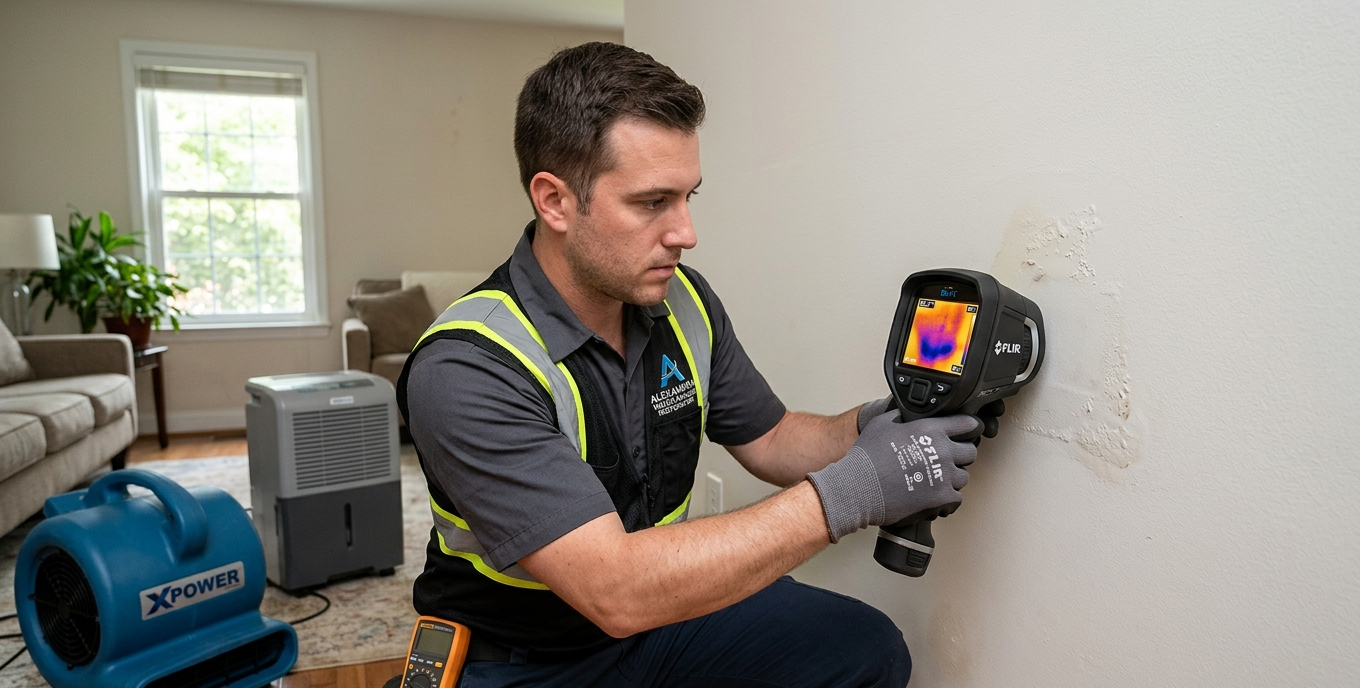
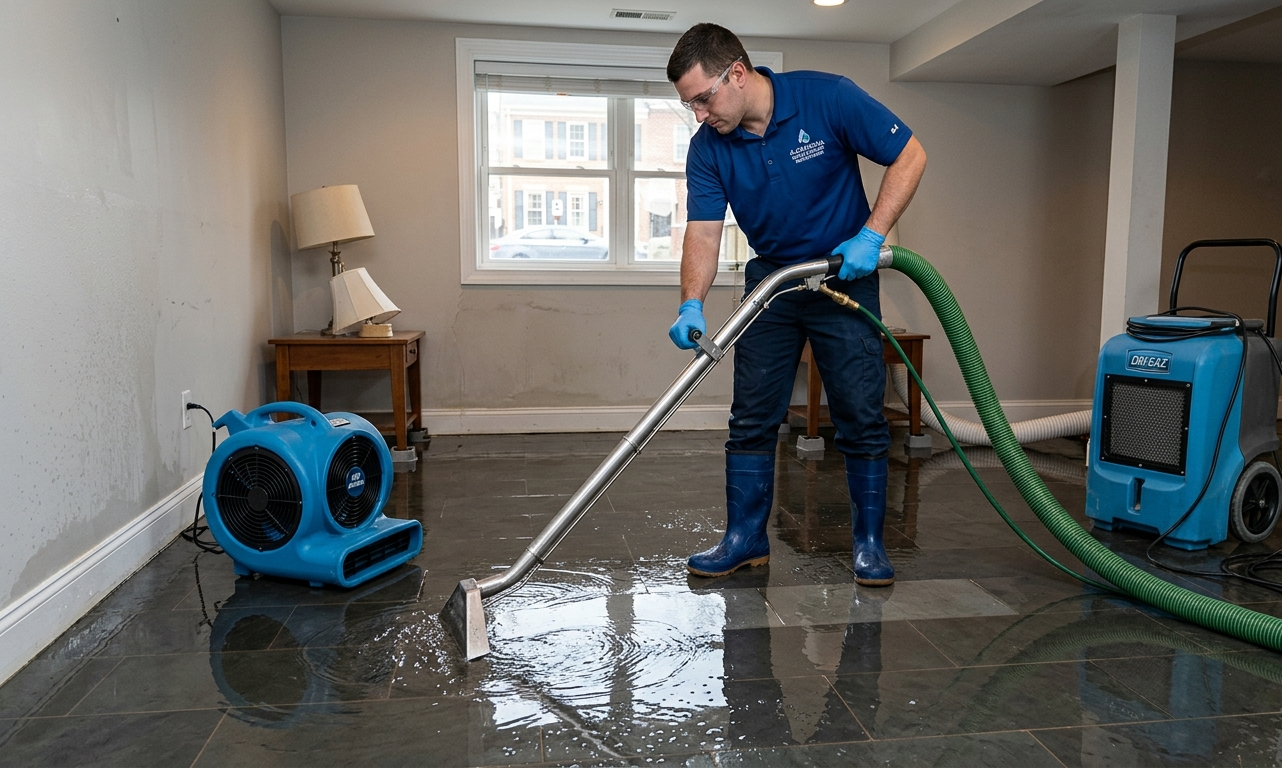
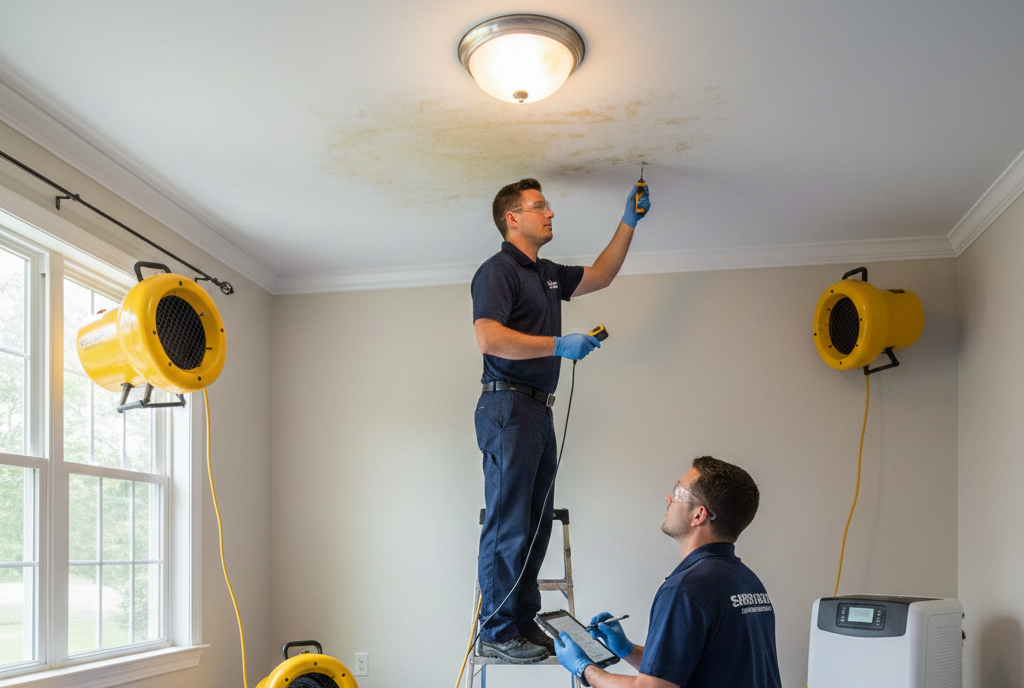
- Assessment: You cannot dry what you cannot find. Technicians map moisture in walls and floors and identify how far the water traveled.
- Extraction: Removing liquid water is faster and cheaper than trying to evaporate it all.
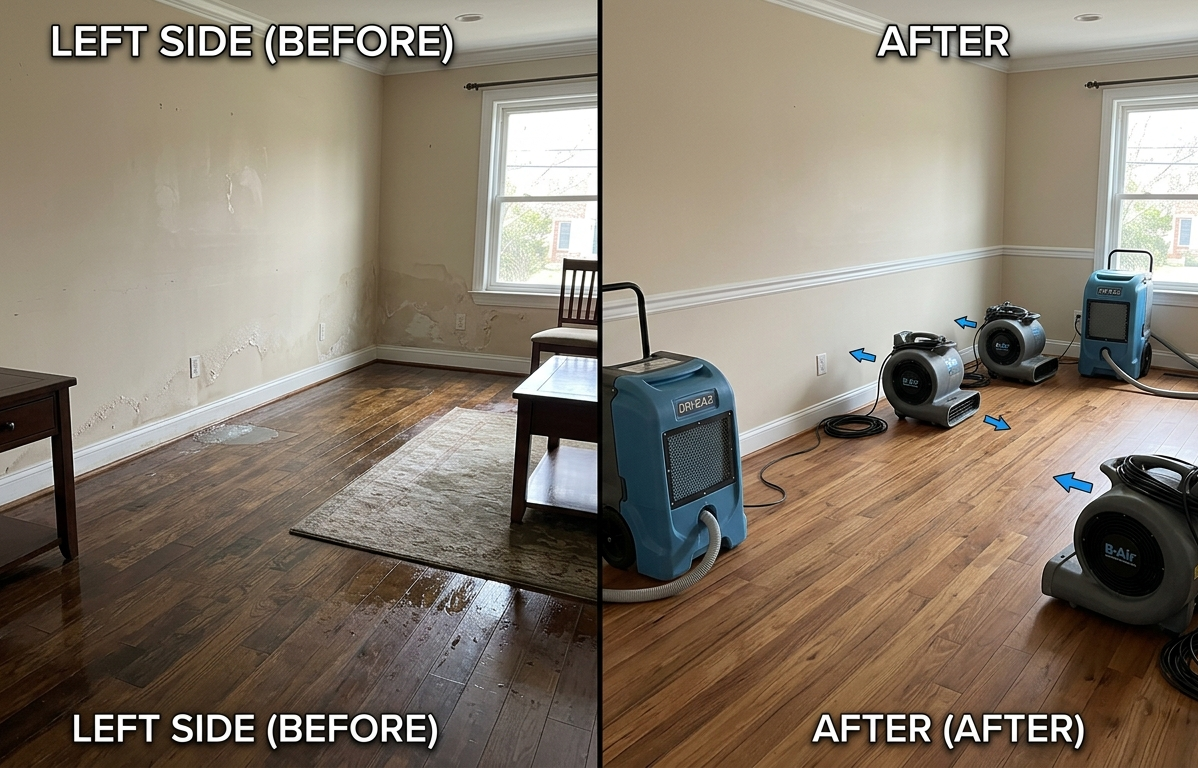
- Setup: Airflow and dehumidification are placed to target wet zones, not just the middle of a room.
- Monitoring: Drying is not "set it and forget it."
When providing structural drying services Alexandria residents depend on, the monitoring phase is where a good plan proves itself. Daily or regular checks confirm whether moisture content is dropping as expected. If it is not dropping, the plan gets adjusted, because doing the same thing for seven days will not magically fix a bad setup. This is also where closed drying systems help, because they reduce outside variables that can ruin a perfect plan. When drying is controlled, the job often stays within that three to seven day range for many common losses.
Dehumidification Services Alexandria: Why Machine Choice Matters
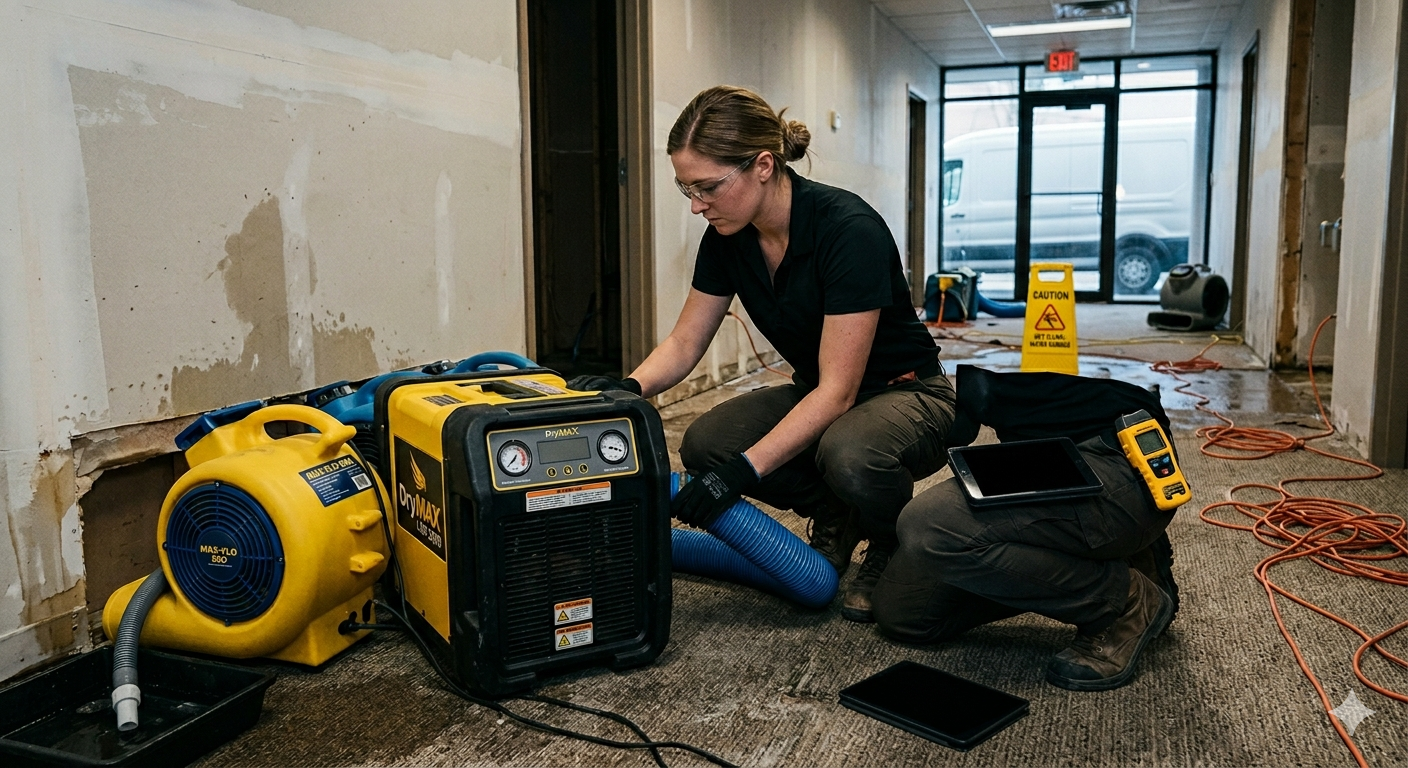
Dehumidification is the part of drying that most homeowners underestimate. Fans move air, but dehumidifiers remove moisture from air. If the air stays wet, materials stop releasing moisture and the whole job stalls. In Cenla, the right dehumidifier setup can be the difference between finishing on day four and still wondering what is happening on day ten.
There are different types of dehumidification approaches, and the right choice depends on the situation. Low grain refrigerant (LGR) dehumidifiers are common for many water losses, while desiccant systems may be used in certain conditions that call for different performance. If a company offers expert dehumidification services Alexandria homeowners can trust, you should see measurement, tracking, and adjustments, not just equipment dropped off and forgotten. The IICRC framework emphasizes managing the drying environment and understanding psychrometric properties, which is exactly what dehumidification is doing in practical terms.
What You Can Do to Avoid Adding Days to the Drying Time
There are a few homeowner actions that can quietly add days if you are not careful:
- Opening Windows: In Louisiana, opening windows often invites in wetter air, which can slow drying.
- Moving Equipment: Equipment placement is usually intentional, and small moves can change airflow patterns.
- Running AC Without a Plan: Cooling can change conditions in ways that help or hurt depending on humidity.
You can help drying move faster by doing simple, safe things. Keep doors to the affected area closed when the team asks for containment. Let the dehumidifiers run even if the house feels warm, because that warmth can help evaporation when controlled. Communicate if you notice new wet spots, new smells, or condensation on windows, because those are clues that conditions may be shifting.
FAQs About Drying Time in Louisiana Humidity
Can a house dry in two days in Louisiana?
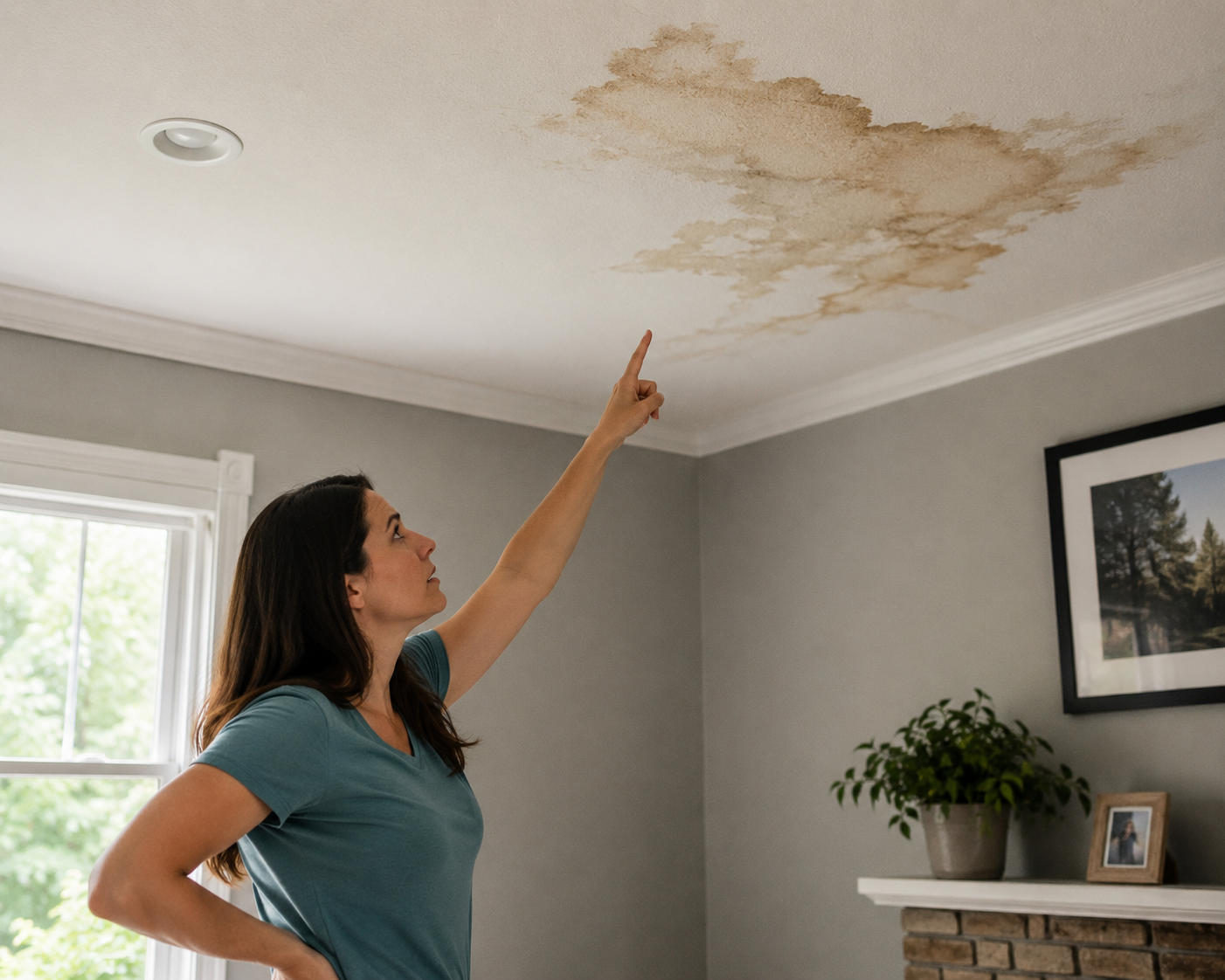
Yes, it can happen, but it is not the norm for most real water losses. A very small clean water spill on tile with quick extraction may stabilize fast. If no walls were wet and nothing wicked under flooring, the drying work can be short. The problem is that many homeowners think they have a small loss, and then the moisture map shows wet base plates or wet drywall. In Louisiana humidity, hidden moisture is common because materials absorb quickly. That is why professionals rely on readings, not optimism.
Do fans alone dry a house after water damage?
Fans help, but fans alone are rarely enough in Cenla, especially when humidity is high. Fans move air across surfaces, which can speed evaporation at the surface. But if the air is already humid, it becomes saturated quickly and stops accepting more moisture. Without dehumidification, fans can just move wet air around the home. That can spread humidity and make other rooms feel damp too.
Should I open windows to help the house dry?
In Louisiana, opening windows often slows drying more than it helps. Outdoor air in Alexandria commonly carries a lot of moisture, and bringing it inside can raise indoor humidity. When indoor humidity rises, evaporation from wet materials slows down. It feels fresh for a minute, but the drying math gets worse. Closed drying systems exist specifically to protect the indoor environment from these outside swings.
When is it safe to use the air conditioner during drying?
It is usually safe to use HVAC in many situations, but it should be used with intention. Air conditioning cools air, and cooling can lower relative humidity in some conditions, but it can also reduce evaporation if the air gets too cool. ASHRAE's technical resources explain why temperature and moisture content interact, and why colder air isn't always dryer air. The best move is to let the drying team decide how HVAC fits the plan. Sometimes HVAC helps support dehumidification, and sometimes it needs to be adjusted to avoid fighting the equipment.
How do professionals know when the walls and floors are truly dry?
Professionals confirm dryness through moisture readings and comparison to "dry standards." They use meters to measure moisture content in materials like drywall, wood, and subfloors, and they track change over time. The goal is to return materials to an acceptable dry state, not simply to a comfortable feel. When readings plateau, the plan often needs adjustment.
If your home is wet and you are staring at fans wondering how long this will last, you deserve a clear answer. Simmons Builders provides structural drying services Alexandria homeowners can count on, with a plan built around measurement and controlled drying conditions. We use psychrometry principles to manage the indoor environment, and we often use closed drying systems to keep Cenla humidity from taking over the job.
We also provide the dehumidification services Alexandria families need to keep drying moving in the right direction. You will know what is happening, what the next milestone is, and how close you are to being done. If you need help now, call us. We can explain what drying timelines usually look like in Louisiana humidity so you can plan your week with less stress.
About Simmons Builders
Simmons Builders is Central Louisiana’s one stop shop for water damage, handling everything from emergency cleanup and drying to full reconstruction. From the first call to the final repair, Daniel and his team keep the process clear, fast, and done right.
Contact:
Simmons Builders
1219-A East Texas Avenue, Alexandria, LA 71301, USA
Daniel Simmons
Have an Emergency?
Local team • 24/7 response • IICRC certified • Veteran Owned • We Work With Your Insurance
From plumbing leaks and appliance overflows to storm and flood damage, Simmons Builders has Alexandria covered. Give us a call at 318-714-4774 or fill out the form below and our team will get back to your ASAP!
Request A Free Quote
Ready to Get Your Home Back to Normal?
If you are dealing with water damage or a sewage backup, our team is ready to help you take control fast. Reach out to Simmons Builders for clear guidance, professional cleanup and drying, and a smooth path into repairs and full reconstruction so you are not stuck juggling multiple contractors.
Follow Us
Got Water Damage? Call Now!